
Physician moral injury – not burnout
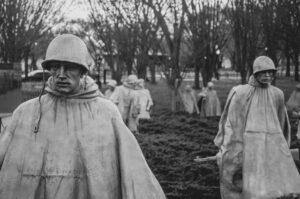
“Front-line”, “battle”, “the trenches”. These terms are all too familiar when talking about modern medicine. Why are we referencing war when we should be talking about healing?

“Front-line”, “battle”, “the trenches”. These terms are all too familiar when talking about modern medicine. Why are we referencing war when we should be talking about healing?

The Japanese concept of Wabi Sabi beautifully captures the essence of life: appreciating the imperfect, the impermanent, and the incomplete. It reminds us to cherish the journey, with all its ups and downs – especially in medicine – instead of obsessing over destinations or goals.

Physician burnout is not a result of individual physician characteristics, but is significantly influenced by systemic factors within the healthcare system. In this blog, we will delve into the concept that physician burnout is more accurately described as an administrative or systemic disorder rather than an individual problem disorder, emphasizing the organizational, cultural, and economic factors that contribute to burnout in doctors.

In Part 2 of this series, we will look at further at the etiology of physician burnout, specifically the roles of medical training and leadership.

The epidemic of burnout among physicians and other healthcare professionals is here and it ain’t going away (yet). This article explores the key underlying causes of physician burnout and moral injury.

Physician Poetry: How To Be a Good Doctor On a Very Bad Day. The writer beautifully articulates the quiet suffering so many of us endure—the shame, the imposter syndrome of self-doubt, and the silent suffering and unnecessary isolation that comes with the weight of our responsibilities and our toxic medical system.

In this article, we explore the history of the “burnout syndrome” in general and as it relates to physicians specifically. Why is physician burnout history important?

Reach out to your loved ones, and be honest. Trust me, they will help you. You are loved in more ways than you can imagine, because you are one unique lovable bright spot in this world. So stay with us and shine on us. This a Physicians Anonymous co-founder’s story of how she lost a spouse to suicide.

What exactly is physician burnout? In this article, we explore the construct of the burnout syndrome definition as it relates to doctors: a physician burnout definition.

We are not superheroes. We need to navigate the Fine Line Between Appreciation and Realism.

“Front-line”, “battle”, “the trenches”. These terms are all too familiar when talking about modern medicine. Why are we referencing war when we should be talking about healing?

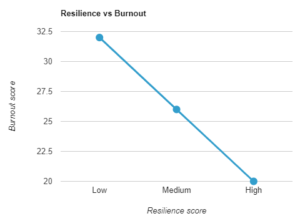
Is there a simple inverse relationship between resilience and burnout? Intuitively, one would think so, but with physicians, it’s never that simple. A recent paper in JAMA Open reveals some startlng findings.

In Part 2, I present the second part of my story: one of physician burnout recovery – how I emerged from the wreckage and rebuilt my life. I sincerely hope that it provides hope for others who are struggling.

If you’ve not heard of Corrigan’s Secret Door, you’re in for a treat. Based on a legendary Irish physician, the Secret Door denotes a metaphorical escape route for busy physicians from their hectic clinics.

My career and life crashed to a halt after 25 years in clinical medicine. I was at one point “suicidal with planning and intent”. Medical knowledge in the hands of a suicidal physician can be deadly. As an affluent, respected physician, confident in my position, well-liked and admired by society, yet suffering inside, why did I not seek help?

Physicians are sick, and it’s getting worse. Yet too few doctors seek help or reach out when we are struggling. Record numbers of us are burning out, becoming mentally ill or addicted, retiring early, and leaving medicine.

In this article, Part 2, I concede that there are some excellent principles differentiating ineffective from effective physician resilience programs. We hope that colleagues and medical leaders designing such programs will find the guidance useful, and further grasp the nettle of addressing the root causes of physician burnout.

Resilience programs, springing up like mushrooms, are a sticking plaster to avoid dealing with the fungating tumor underneath. We have to talk openly about the demands of modern medicine and how these are hurting the healers we need the most.

Practicing medicine is making us physicians sick. Physicians in the US have some of the highest burnout, mental illness, addiction, and suicide rates in the world. Medical student and physician burnout and suicide are a “silent epidemic”.

Modern medicine is no stranger to the toxic trio of burnout, stress, and dissatisfaction, and perfectionism plays the role of the puppet master. It’s time to swap the scalpel for a mirror and reflect. Bowlby’s framework challenges physicians to redefine excellence, shifting from unattainable perfection to a sustainable “good enough” approach.

My biggest fear in medicine is messing up. Inevitably, it happens. And while we rightly are trained to reflect, detect and learn from errors, improve practice, and ultimately save lives, the flip side – the cost of excessive perfectionism – can be very high, especially on physician well-being.