
5 solutions to burnout in female physicians
Women physicians still face disproportionate challenges within their medical careers compared to men. In part 2 we illustrate general and woman-specific strategies to combat female physician burnout.

Women physicians still face disproportionate challenges within their medical careers compared to men. In part 2 we illustrate general and woman-specific strategies to combat female physician burnout.

Medical malpractice litigation is a complex and distressing reality for physicians, with potential far-reaching consequences for their mental health and overall well-being.

In Part 3, we explore the systemic causes leading to physician suicide. In so doing we hope to contribute to physician suicide prevention and highlight the toxic systemic issues that no amount of resilience training or individual risk factor modification can fix.

In Part 2, we explore the barriers to physicians seeking help and debunk these. In so doing we hope to contribute to physician suicide prevention, improve understanding of the-seeking contributors to the epidemic of physician suicide.

Why doctors die: Physician suicide prevention (1)

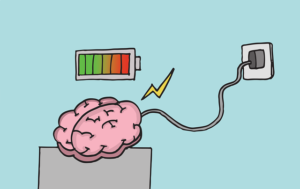
In this article we explore science-based small and inexpensive self-care for physician self-care options that may, we hope, help relieve stress and ultimately tackle physician burnout.

The Dark Side of a Dedicated Career. Medical doctors are known for our long hours and unwavering dedication to our patients. But what happens when this level of commitment turns into a destructive force? Workaholism, the compulsive drive to work excessive hours, is a growing concern in the medical profession, with a significant number of doctors struggling with the demands of our careers.

Amidst the bustling hospital halls,
Where healing hands attend to calls,
Amidst the chaos and the strife,
There stands a symbol of life.

As we’ve discussed in Part I, Impostor syndrome is highly prevalent and has multiple causes. Furthermore, it can have a range of negative effects on physicians, from decreased job satisfaction and confidence to missed diagnoses and poor patient outcomes. In this article we look at the impact of impostor syndrome on physicians and patients. We then explore 5 steps in overcoming physician impostor syndrome.

Impostor syndrome is a common phenomenon among physicians, where we feel like we are frauds in our profession and that we don’t deserve our success. It is believed that this feeling is often triggered by the high level of responsibility and stress that comes with being a doctor. Impostor syndrome can also be considered a risk factor for burnout and psychological distress.

Institutional betrayal in corporate medicine refers to instances in which physicians or other healthcare professionals feel that their employers have acted against their best interests, or violated their trust. This can occur in a number of different ways, from unfair treatment of staff to unethical business practices, and can have wide-ranging effects on both staff and patients.

We hope that, on this Valentine’s day when romantic love is celebrated, you got to spend some time with those you love. You are very loved by us here at Physicians Anonymous. So we wrote you all a little love poem.

Depending on which brand of English you speak, fine might be “awesome”, “doing great”, or “things could not be better”.
Often, however, “I’m fine” is just a throwaway term without meaning. If you are a physician, there’s a >6 in 10 chance you are NOT fine. Read on to find out more.

Few of us swear by Apollo the physician, and Asclepius, and Hygieia and Panacea. But all of us know, “First do no harm,” (which is actually a misquote from the Hippocratic Oath). The Oath underpins much of modern medical ethics and professionalism. Most of us ascribe to these broad principles, but in conversations with distressed colleagues, it is apparent that there are a minority of us who seem to be mired in hypocrisy rather than Hippocrates.

Physician self care is not selfish. It’s essential to thriving in medicine. This article will explore barriers to physician self care and help physicians develop self-care practices for their physical, emotional, spiritual and intellectual health.

When things go wrong, it is easy to focus only on the “first victim” and forget those around them affected by the error – especially the clinician who made a mistake, also known as the “second victim” in medicine.

Physicians Anonymous humbly hosts this living document of global resources for physician support.
Search: Scroll down to your country or press Ctrl+F and enter your keyword to search.
If you would like to add resources or your country please Contact us or leave details in the comments below.

Cognitive distortions are exaggerated or irrational thoughts that we have. In Part 2 of this article, by learning to tackle common cognitive distortions, you will be empowered to manage your amazing mind and smooth over the bumps in the road of a career in medicine.

Extreme stress tends to bring out more of these cognitive distortions, and modern medicine is a rich source of stress for doctors and medical students. We give 6 examples of classic cognitive distortions as applied to medicine, and discover ways to challenge them with more realistic thinking.

T’was the night before Christmas, and all through the ER, everyone was stirring, shouting, vomiting, and hemorrhaging. Except for the mice, who very sensibly stayed away, because it was chaos.

This article explores why residents are at even higher risk of burnout and mental health deterioration than the average physician population. We then look at the evidence base for resident burnout prevention programs and consider why postgraduate education providers should seriously consider investing in these. Mindfulness and Coaching programs are examined as having the most evidence-base.